

Quick story: I installed my first Solana browser wallet one late night, clicked through a dozen prompts, and then froze—was I doing this right? The UI was slick, but the stakes felt real. Wallets are the gateway to your crypto life, and on Solana, browser extensions are where most people start. They’re fast, convenient, and integrate directly with web apps. But that convenience comes with trade-offs. This guide walks through what a Solana browser wallet does, how to pick one, and practical security habits so you don’t wake up wishing you’d done things differently.
First off—what is a browser extension wallet? At its core, it’s software that lives in your browser and holds cryptographic keys. Those keys sign transactions when you interact with decentralized apps (dApps). On Solana, that means DeFi platforms, NFT marketplaces, games, and more. A good extension makes signing seamless while isolating keys from the sites you visit.
There are a few key differences between extension wallets and other forms like hardware or mobile wallets. Extensions are immediate and great for desktop-first workflows. Hardware wallets keep keys offline and are much safer for large holdings. Mobile wallets are convenient for on-the-go moves. Each has a place. For everyday trading, gaming, and testing dApps, extension wallets are the most frictionless option.
What to look for in a Solana wallet extension
Security first. Does the wallet let you export a seed phrase only once at setup? Can you lock the extension with a strong password? Does it support hardware wallet integration if you later want extra safety? Those are baseline checks.
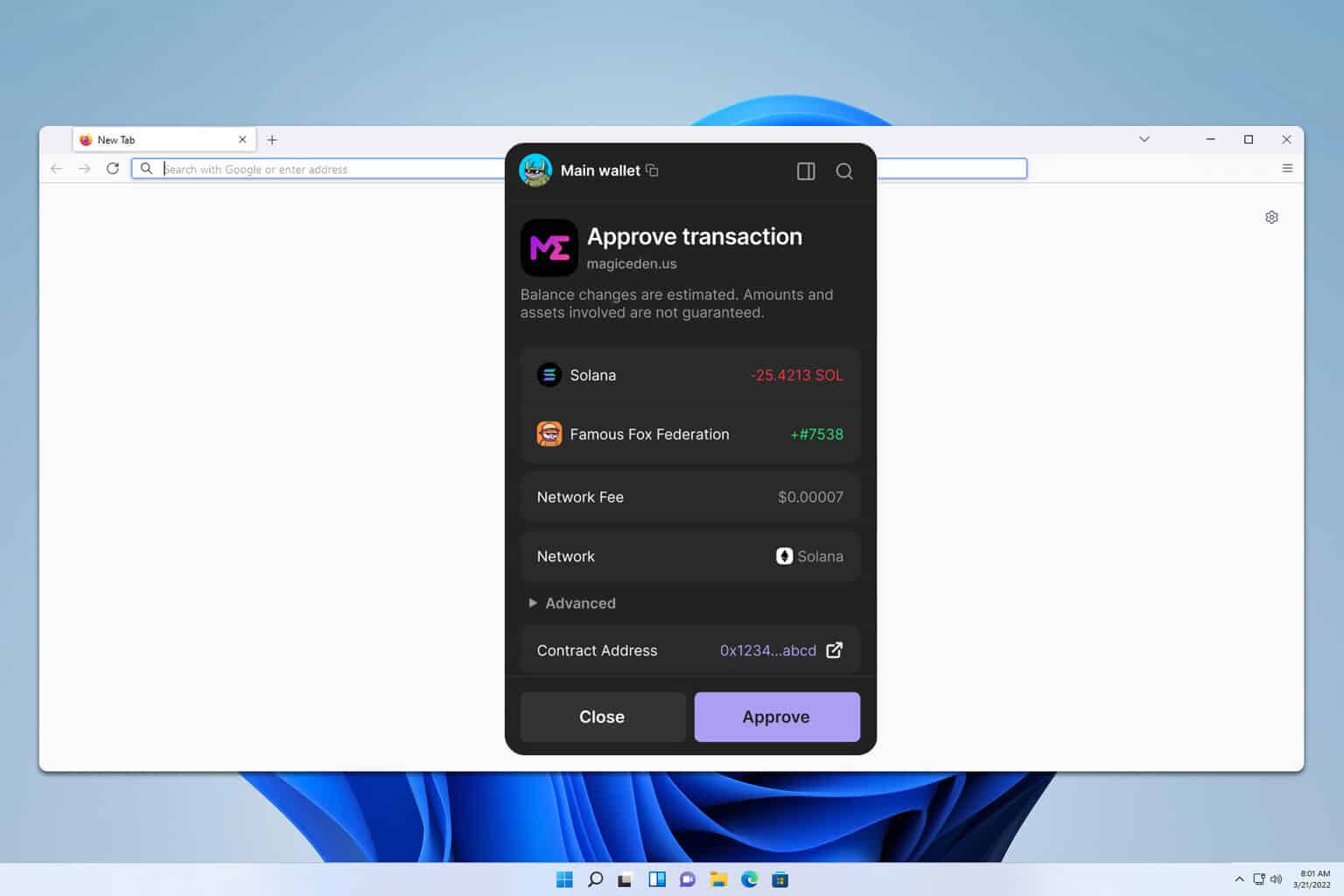
Usability matters a lot. Wallets should present transaction details clearly—fee, recipient, and any program instructions that matter. If a wallet hides program calls behind jargon, that’s a red flag. Good UX reduces mistakes.
Compatibility and ecosystem support. Does the wallet play well with the dApps you care about? Solana moves fast—some wallets support token standards, NFTs, staking, and Solana Program Library (SPL) tokens better than others. Also check for active maintenance and open-source code if transparency is important to you.
Installing and setting up (practical steps)
Pick your browser (Chrome, Brave, Edge, or Firefox typically). Install from the official extension store to minimize risk. If you want a popular, polished option, consider phantom wallet —it’s widely used across Solana dApps and has a straightforward onboarding flow.
During setup, you’ll get a seed phrase. Treat it like the keys to a safe deposit box. Write it down on paper. Do not store it in plaintext on your computer or cloud storage. Repeat: offline paper backups are the simplest, safest approach for most users.
Create a strong password for the extension and enable any available additional protections (PIN, biometric unlock where supported by the browser profile). If you have a hardware wallet, connect it now—many extensions support Ledger or similar devices for signing high-value transactions.
Daily usage patterns
When connecting to a dApp, take an extra second to verify the domain. Extensions usually display a popup asking to connect. Check that the URL is the one you expect and that the permissions requested are reasonable. If a dApp asks to “sign” arbitrary messages frequently or requests unexplained authority over tokens, be skeptical.
Review transaction details before approving. Solana transactions can bundle multiple instructions; read them. If you don’t understand a line item, cancel and investigate. There’s no undo for blockchain transactions.
Manage accounts: Most extensions let you create multiple accounts or import others. Use separate accounts for different purposes—one for small daily use, another for long-term holdings. That reduces blast radius if something goes wrong.
Security best practices
Use a hardware wallet for sizeable holdings. Even with a well-built extension, an attacker who controls your browser could trick you. Hardware signing means the attacker would still need your physical device. Backups: store seed phrases redundantly and in geographically separate, secure places if you’re managing serious sums.
Keep browser extensions minimal. Fewer extensions equals less attack surface. Update everything—browser, OS, and the wallet extension—regularly. Scam sites and phishing remain the most common attack vectors; hover to check links, and when in doubt, navigate manually rather than following an unfamiliar link.
Consider transaction whitelisting: some extensions and dApps support session-level or origin-specific approval windows, which limit the permissions granted to a site. Use them if available. Also, token approval revocation tools exist on-chain and through some wallets; periodically audit approvals and revoke ones you don’t need.
Troubleshooting and common hiccups
If a dApp won’t detect your wallet, try these quick steps: refresh the page, disconnect and reconnect the wallet, toggle the extension off and on, or try a different browser profile. Cached network issues sometimes interfere. If transactions fail, check recent Solana network status and your balance—including required SOL for fees. Tiny SOL balances are a surprisingly common cause of failed interactions.
Restore problems? Use your seed phrase only on the official extension or a trusted hardware device. If you suspect the phrase was ever exposed, move funds to a new wallet immediately.
FAQ
Is a browser extension wallet safe enough for everyone?
For small, everyday amounts and testing, yes—if you follow security basics. For significant holdings, combine an extension for usability with a hardware wallet for storage, or use hardware only. Risk tolerance varies; be honest about yours.
Can I use the same wallet across devices?
You can restore the same seed phrase on another device, but be cautious. Never paste your seed phrase into unfamiliar apps or websites. If you use both mobile and desktop, consider segregating funds between devices for security.
What locks me into a particular wallet?
Mostly habits and features: if a wallet supports some exclusive dApp integrations you like, you’ll stick with it. But seed phrases are portable, so switching wallets is technically straightforward—just make sure to migrate safely.